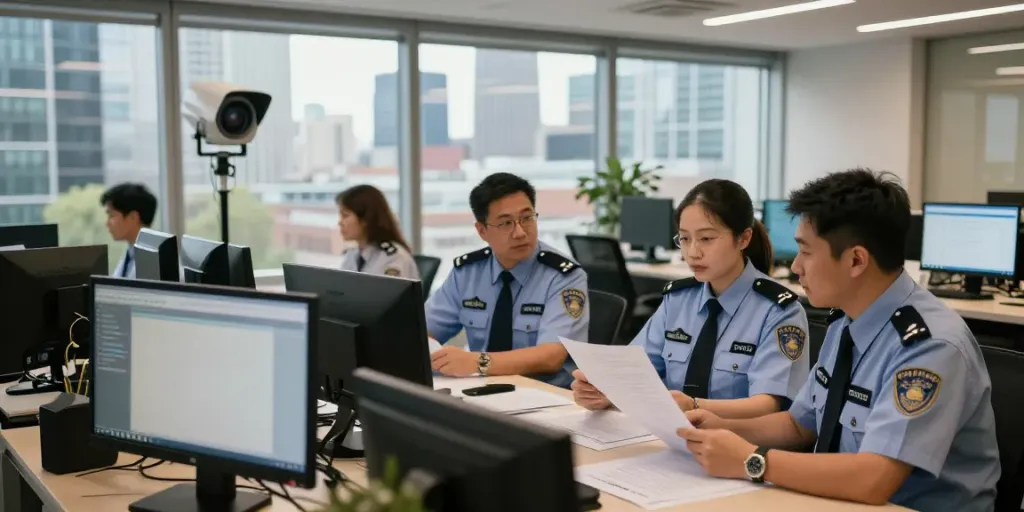
Understanding Corporate Security Services in London
In today's dynamic business environment, ensuring the safety and security of a company’s assets, employees, and clients has never been more critical. Strategies for protecting corporate environments extend beyond mere physical presence; they include comprehensive risk assessments, sophisticated surveillance systems, and meticulously crafted emergency response protocols. By hiring a reputable security firm, organizations can not only deter criminals but also bolster their overall operational integrity. When exploring options, Corporate Security companies provide comprehensive insights and services that cater to these needs with utmost professionalism and reliability.
What is Corporate Security?
Corporate security encompasses a broad range of services aimed at safeguarding a company's physical premises, personnel, and data from threats. These threats can be external, such as break-ins or cyberattacks, or internal, including employee misconduct or theft. A thorough corporate security strategy involves establishing protocols that include both preventive and responsive measures. This might involve regular security assessments to identify vulnerabilities, the use of technology such as CCTV and access control systems, and the employment of trained security personnel.
The Importance of Corporate Security for Businesses
For businesses operating in London, corporate security is not merely a precaution; it is a vital component of a successful operation. The high likelihood of threats necessitates that companies implement robust security measures to protect their investments, maintain a safe working environment, and comply with legal regulations. Well-structured corporate security safeguards not only mitigate financial losses but also enhance a company’s reputation by fostering trust among stakeholders.
Key Corporate Security Services Offered
Corporate security includes a diverse array of services that cater to the unique needs of different organizations. Key offerings include:
- Risk Assessment and Management: Conducting thorough evaluations to identify potential risks and develop mitigation strategies.
- Surveillance and Monitoring: Utilizing CCTV and other surveillance systems to oversee the premises and detect intrusions.
- On-Site Security Personnel: Employing trained security guards to provide a physical presence and deter potential threats.
- Access Control Systems: Implementing systems to manage and restrict access to sensitive areas of the facility.
- Emergency Planning: Developing emergency response plans to prepare for various scenarios, including natural disasters, fires, and security breaches.
How to Choose the Right Corporate Security Provider
Finding the ideal corporate security provider requires careful consideration of several factors that can significantly impact the effectiveness of the services rendered. Businesses must analyze their unique needs and align them with the capabilities of potential security firms.
Factors to Consider When Hiring Security Services
When evaluating security providers, businesses should consider the following:
- Experience and Expertise: Look for a company with a proven track record in the corporate security sector and specific experience relevant to your industry.
- Service Offerings: Ensure that the company offers comprehensive services that address all aspects of security, from physical deterrents to cyber protection.
- Customization: The ability to tailor services to fit your specific organizational needs is crucial for effective security management.
Checking Accreditations and Licensing
Accreditations from recognized bodies demonstrate a security company’s commitment to meeting industry standards. Look for certifications like the SIA Approved Contractor Scheme (ACS) and NSI Guarding Gold, which indicate compliance with rigorous quality and performance benchmarks.
Reading Customer Reviews and Testimonials
Customer feedback can provide valuable insights into a security firm's reliability, service quality, and responsiveness. Look for reviews on independent platforms and social media to gauge the overall satisfaction of past clients. Positive testimonials often indicate a provider’s competence and trustworthiness.
Pricing Guide for Corporate Security Services
Understanding the pricing structure of corporate security services is crucial for businesses to budget effectively while ensuring comprehensive coverage. Costs can vary significantly based on service scope, location, and company reputation.
Understanding Cost Structures in Corporate Security
Security companies generally provide services that can be billed hourly or on a contractual basis. Hourly rates for security guards typically range from £12 to £20, with variations based on experience and service complexity. Specialized services, such as security consulting or risk management, may incur higher fees.
Average Prices for Security Guards in London
The cost of hiring security staff in London varies by the provider and specific qualifications required for the task. Factors impacting pricing include the level of training required, hours of service, and additional responsibilities geared towards high-risk activities.
Specialized Services and Their Costs
For specialized security services, such as close protection for executives or advanced surveillance systems, clients should expect higher costs. Generally, comprehensive packages that include multiple services often provide better value compared to standalone services.
Common Corporate Security Practices and Protocols
Implementing effective security practices and protocols is essential for maintaining safety and mitigating risks within any corporate setting.
Emergency Response Planning and Management
Every organization should have a clear emergency response plan that outlines procedures for different scenarios such as fire, theft, or natural disaster. Regular drills and employee training are necessary components of this plan to ensure a prompt and effective response.
CCTV and Surveillance Best Practices
Integrating CCTV and surveillance appropriately enhances a sense of safety. Best practices include optimal camera placement, ensuring adequate coverage of key areas without infringing on privacy, and regular maintenance of equipment to ensure functionality.
On-Site Training and Performance Monitoring
Regular training for security personnel is critical to maintaining professional standards. Additionally, employing performance monitoring mechanisms, such as KPI assessments and incident reporting tools, helps ensure accountability and responsiveness to evolving risks.
Current Trends in Corporate Security for 2026
The landscape of corporate security is continuously evolving, with advancements in technology and changing regulatory environments shaping service provisions. Businesses must stay informed of these trends to adapt their security strategies accordingly.
Technological Innovations Shaping Security Services
Emerging technologies, such as AI-driven surveillance systems and advanced data analytics, are transforming how security services are delivered. These tools enhance threat detection capabilities and streamline security operations.
Social Responsibility in Corporate Security
Businesses today are increasingly held accountable for their social responsibility. Effective corporate security should not just focus on profit but also consider the broader impact on employees and society, promoting safety while being environmentally conscious.
Predicted Challenges and Solutions for Businesses
Challenges such as cyber threats and evolving regulatory landscapes necessitate agile and proactive approaches to security management. Companies must be prepared to adapt and implement solutions that address these challenges effectively.
FAQ 1: How much do corporate security guards get paid?
Corporate security guard salaries vary widely depending on location, experience, and the nature of the role. In London, hourly rates typically range from £12 to £20, increasing for specialized positions.
FAQ 2: What certifications are essential for corporate security professionals?
Essential certifications for corporate security professionals often include SIA licenses, NSI accreditations, and training in specialized areas such as cyber security or emergency response management.. Additionally, Corporate Security provides further details.
FAQ 3: What is the average response time for corporate security teams?
Average response times for corporate security teams vary based on the situation and location. However, prompt response systems are generally established to enable immediate action, with target times often set at under five minutes for critical incidents.